
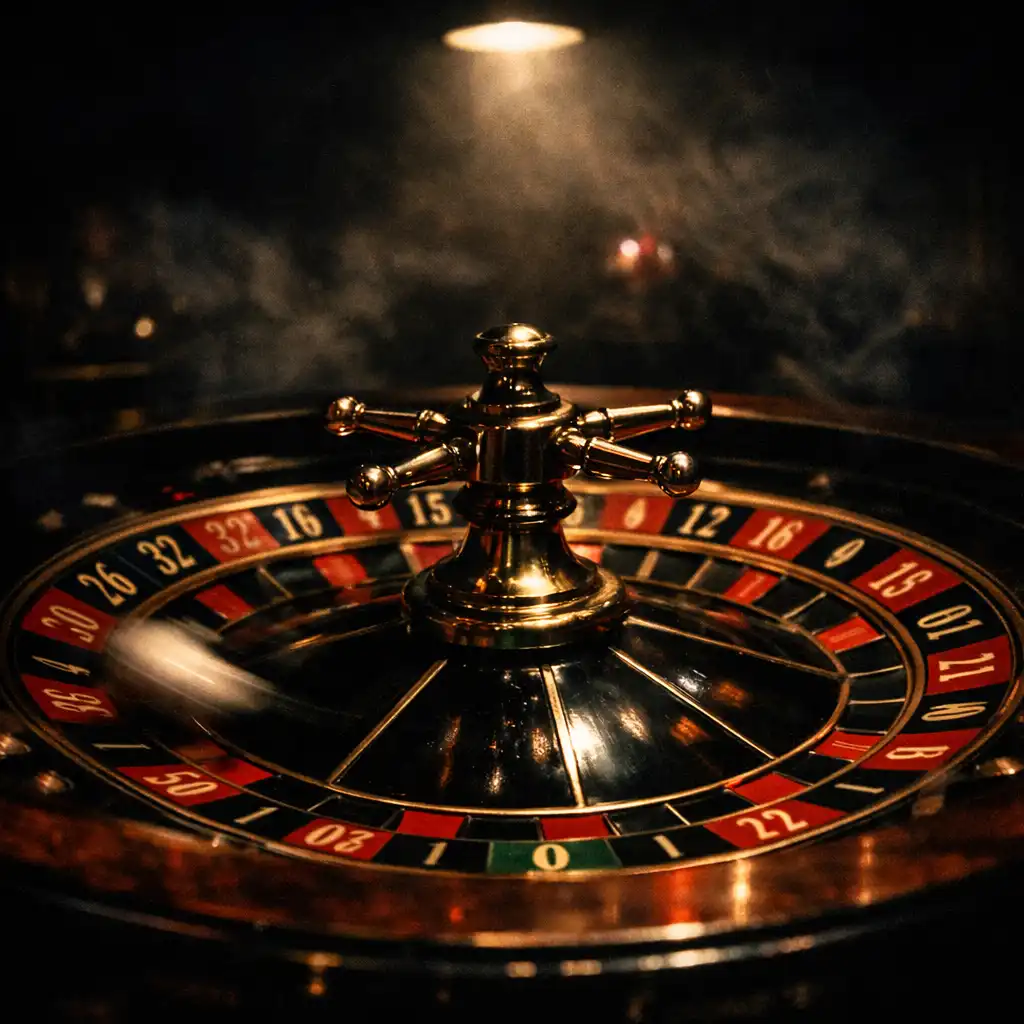
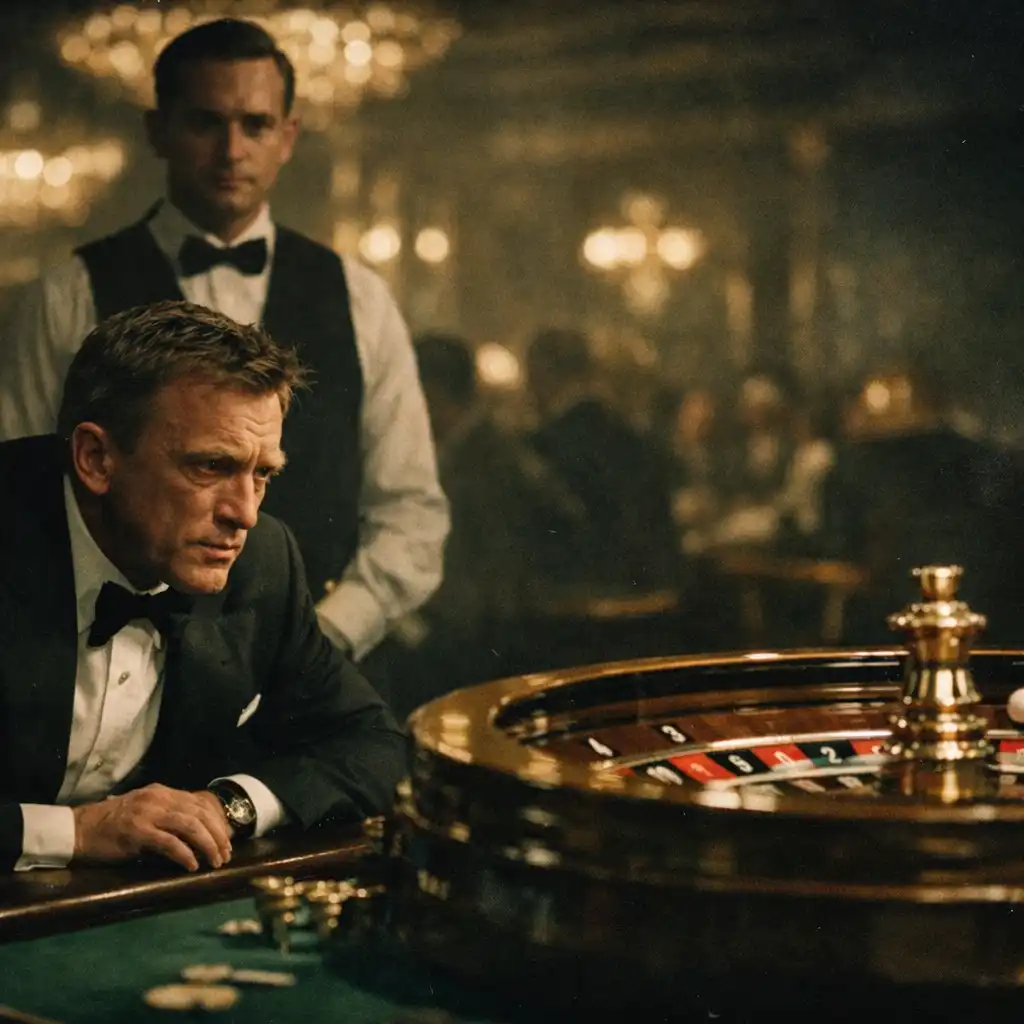
Roulette wheel in a dark casino with ball in motion

Roulette Stories

Roulette Stories: Where the Wheel Decides

Roulette is more than a game; it is a narrative engine that drives characters to the edge of fate. This page explores the films that use the spinning wheel to examine risk, luck, and the human condition. From neo-noir croupiers to desperate last bets, the wheel becomes a mirror for choice, consequence, and the illusion of control.

The Symbolism of the Wheel

Chance, Fate, and the Illusion of Control

Roulette embodies the tension between chance and choice. Filmmakers use the wheel to externalize a character's internal conflict, where every spin is a gamble with destiny. The wheel's randomness mirrors life's unpredictability, and characters often project their hopes and fears onto the spinning ball. The game's visual symmetry and suspenseful pause create cinematic moments that no dialogue can replace.

The Wheel as Moral Compass

In many films, the roulette wheel becomes a moral arbiter. A win can validate a character's choices, while a loss can precipitate downfall, reflecting the film's ethical stance on risk-taking. The wheel often appears at pivotal narrative turning points, symbolizing the randomness of justice or the cruelty of luck. Because roulette outcomes are independent events, the wheel offers no forgiveness and no memory—only the cold arithmetic of chance.

Visual Poetry of the Spin

The close-up of the spinning wheel, the bouncing ball, and the collective breath of onlookers create a unique cinematic rhythm. Directors use these moments to build suspense and convey character emotion without dialogue. Slow-motion shots of the ball settling into a pocket are iconic, while sound design amplifies the click-clack of the wheel. Lighting often isolates the wheel as a character itself, a silent participant in the drama.

Essential Roulette Films

Three Films That Let the Wheel Speak

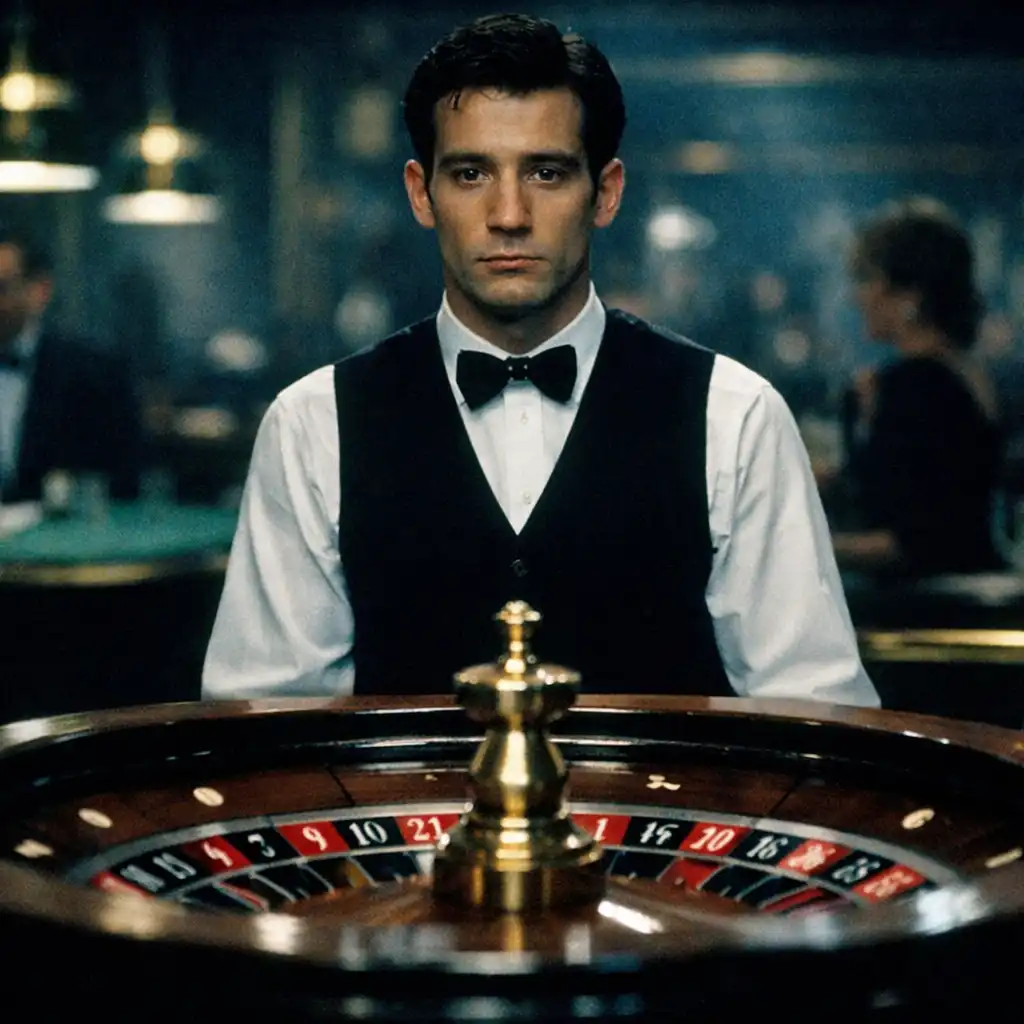
Clive Owen as Jack Manfred standing behind a roulette table in Croupier

Neo-Noir

Croupier (1998)

A struggling writer takes a job as a croupier and becomes entangled in a heist. The roulette table serves as a stage for his moral ambiguity and the seductive pull of the game. Directed by Mike Hodges and starring Clive Owen, the film's cool, detached tone mirrors the croupier's perspective.

Read the review
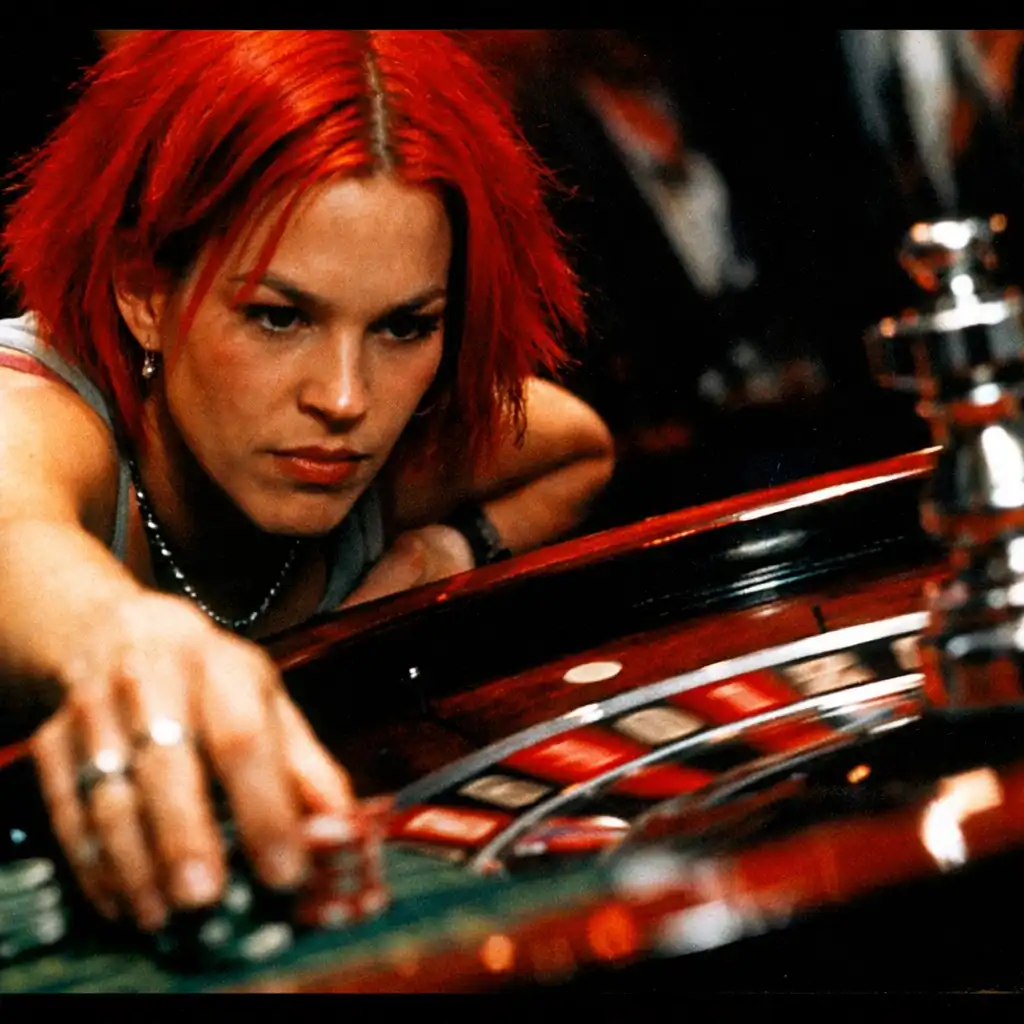
Franka Potente as Lola placing a bet at a roulette table in Run Lola Run

Experimental Thriller

Run Lola Run (1998)

Though not exclusively about roulette, the film's pivotal casino scene uses a roulette win to alter Lola's fate, exploring chance and determinism in a kinetic narrative. Directed by Tom Tykwer, the roulette scene is a turning point in one of the film's three timelines.

Read the review
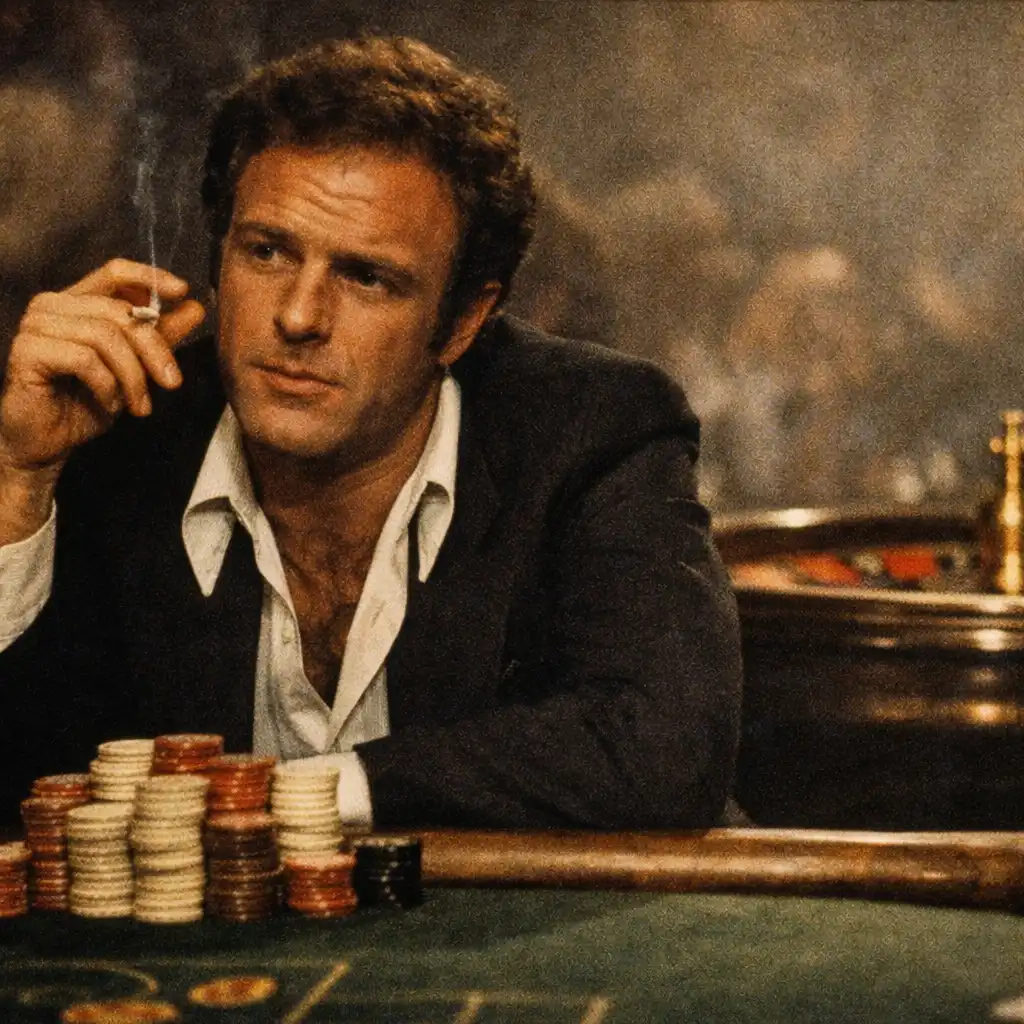
James Caan as Axel Freed sitting at a roulette table with a stack of chips in The Gambler

Character Study

The Gambler (1974)

James Caan plays a literature professor with a gambling addiction. The roulette table is where his self-destructive impulses collide with his intellectual facade, leading to a harrowing descent. Directed by Karel Reisz and written by James Toback, the film explores addiction and risk-taking beyond the casino.

Read the review

Character Archetypes at the Table

Who Sits at the Wheel?

The Obsessive

Driven by compulsion, this character cannot walk away from the wheel. Their obsession often leads to financial ruin and personal destruction, serving as a cautionary tale. James Caan's character in The Gambler exemplifies this archetype. The obsessive often believes in systems or lucky numbers, and their downfall is portrayed with tragic inevitability.

The Cynical Professional

This character understands the odds and views roulette as a cold, mathematical game. They often work in the casino, like a croupier, and observe the folly of others, but may be drawn in themselves. Clive Owen's character in Croupier exemplifies this. Their cynicism often masks a deeper vulnerability, and they provide a detached, analytical perspective on the wheel's drama.

The Desperate Gambler

Facing a crisis, this character sees roulette as a last resort. A single spin can mean salvation or ruin, heightening the drama and making the wheel a symbol of hope and despair. Lola in Run Lola Run embodies this desperation. The character's stakes are often life-changing, and the roulette scene becomes the climax of their arc.

Thematic Deep Dive

Luck vs. Skill: The Wheel's Honest Answer

The Illusion of Skill

Roulette is a game of pure chance, yet many films depict characters who believe they can beat the wheel through systems or intuition. This illusion drives narrative conflict and character development. Films often show characters devising betting strategies that ultimately fail, and the tension between belief and reality creates dramatic irony. The wheel becomes a metaphor for life's uncontrollable forces.

Luck as a Narrative Device

A lucky spin can feel like divine intervention, while an unlucky one can seem like cosmic punishment. Filmmakers use these moments to comment on fate, justice, and the randomness of existence. The timing of a win or loss often aligns with character epiphanies. Luck can be used to reward virtue or punish vice, depending on the film's moral stance, and the unpredictability keeps audiences engaged.

Interesting Facts

The Wheel's Secrets

01

The Devil's Game

Roulette is often called "The Devil's Game" because the numbers on a European wheel add up to 666. This fact has been used in films to add a sinister undertone to casino scenes. The sum of all numbers 1-36 is 666, and films like The Exorcist and The Devil's Advocate reference this, adding a layer of superstition to the game's portrayal.

02

Roulette in Silent Cinema

Roulette appeared in early silent films as a symbol of decadence and moral decay. The visual spectacle of the spinning wheel translated well to the screen even without dialogue. Films like The Cheat (1915) featured roulette scenes, and the wheel's motion provided dynamic visual interest, often used to depict high society's vices.

03

The Most Famous Roulette Scene

The roulette scene in Casablanca (1942) is iconic, where Rick rigs the wheel to help a young couple. It showcases roulette as a tool for altruism, subverting its usual association with greed. Rick's intervention is a pivotal character moment, and the scene uses a fixed wheel, which is technically cheating, demonstrating the narrative flexibility of roulette.

The roulette wheel is the only character that never bluffs—it simply waits for the ball to choose.

Engage with Movie Briefing

Join the Conversation

Have a favorite roulette scene or a film suggestion? We'd love to hear from you. Contact our editorial team or explore our latest articles.

[email protected] +61 451 792 836 33 Pitt Street, Sydney NSW 2000, Australia
Contact the Editorial Team